Person profile
Baleegh Hamdi
بليغ حمدي
Baleegh Hamdi was one of the most influential Egyptian and Arab composers of the second half of the twentieth century. His music transformed simple popular melodic phrases into expansive songs shaped by tarab, rhythm, drama, and modern orchestration. He composed for major Arab voices including Umm Kulthum, Abdel Halim Hafez, Warda al-Jazairia, Shadia, Fayza Ahmed, and Mohamed Rushdi, leaving a major mark on romantic, patriotic, popular, and theatrical song.
- 1931/1932–1993Years/date
- EgyptPlace
- PersonType
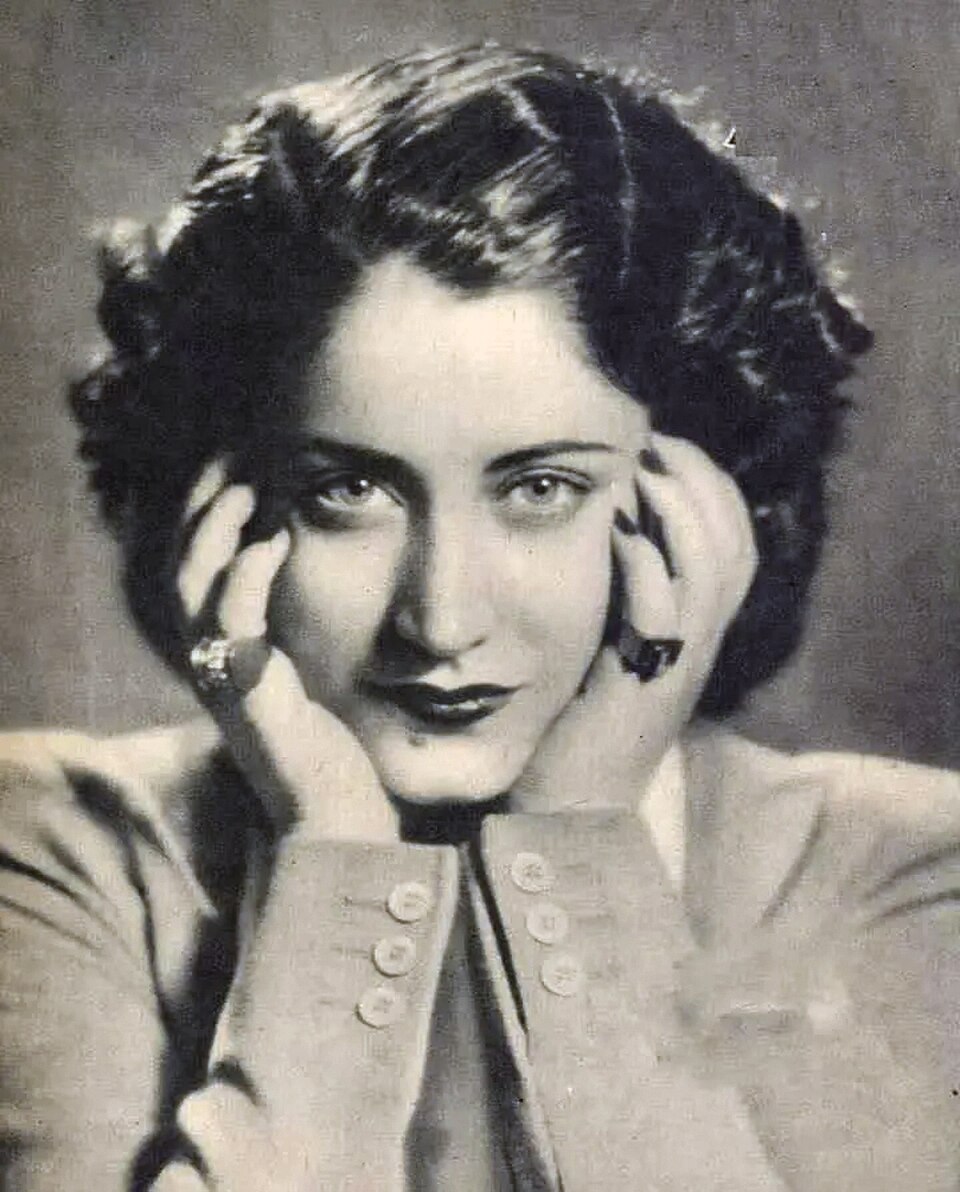
Role and context
Egyptian composer and one of the most influential makers of the sound of Egypt and the Arab world in the 1960s and 1970s.
Baleegh Hamdi represents a bridge between the golden age and what followed, and between classical tarab and modern Egyptian popular feeling in the 1960s and 1970s.
This profile is linked to The Golden Age of Arabic Music within the Arabic music history timeline.
Biography and life
Baleegh Abdel Hamid Hamdi Morsi was born in Cairo in the early 1930s, most often given as 1931 or 1932. Egyptian official sources place his upbringing in Shubra and note that he mastered the oud early and began composing at a young age. His importance is not limited to being the composer of famous songs; he was one of the major makers of the sound of Egypt and the Arab world in the 1960s and 1970s. His artistic key lies in combining the Egyptian popular phrase, maqam, long dramatic song, dance-like rhythm, and modern arrangement. His strength was not only in beautiful melody, but in making melody feel close to the street, the mawwal, and popular celebration, then lifting it into a broad orchestral and tarab structure. With Umm Kulthum, he brought a more vivid rhythmic and popular energy to her late repertoire in works such as Hob Eh, Siret El Hob, Ba'eed Annak, Fat El Ma'ad, Alf Leila We Leila, and El Hob Koloh. With Abdel Halim Hafez, he shaped a major part of the singer's 1960s and 1970s image through songs such as Sawah, Zay El Hawa, Maw'oud, Maddah El Amar, and Hawel Teftekerni, making Abdel Halim's sound more dramatic and closer to long romantic and popular feeling. His relationship with Warda al-Jazairia was also a central musical relationship, not only a personal one; he composed for her works that became landmarks of Arabic song such as El Oyoun El Soud, Law Sa'alouk, Wahashtouni, and Khalik Hena. His popular side appears in Mohamed Rushdi's Adaweya, his patriotic side in works associated with Egypt after 1967, and his religious side in supplications such as Mawlay Inni Bi Babak for Sayed El Naqshbandi. For Musicatea, Baleegh Hamdi appears as a composer who connects tarab and the street, maqam and rhythm, the modern long song and the Egyptian popular spirit.
This profile only uses available Musicatea data: name, alternate name when present, role, linked era, and library sheets when a documented connection exists.
Contributions
- Brought direct Egyptian popular energy into the large song, making phrases close to the street, mawwal, and popular celebration work within broad orchestral tarab structures.
- Renewed Umm Kulthum's late sound through works such as Hob Eh, Siret El Hob, Ba'eed Annak, Fat El Ma'ad, Alf Leila We Leila, and El Hob Koloh.
- Shaped a major part of Abdel Halim Hafez's image in the 1960s and 1970s, especially in long romantic and dramatic song.
- Formed a central artistic relationship with Warda al-Jazairia, leaving landmarks such as El Oyoun El Soud, Law Sa'alouk, Wahashtouni, and Khalik Hena.
- Connected maqam, dance-like rhythm, modern arrangement, and song drama, becoming a bridge between classical tarab and modern popular feeling.
- Worked across romantic, patriotic, popular, religious, theatrical, film, and broadcast music rather than one single song field.
Works or related materials
- Siret El Hob — Composer for Umm Kulthum
One of his most important compositions for Umm Kulthum and a clear model of the long song mixing tarab with rhythmic and dramatic escalation.
- Alf Leila We Leila — Composer for Umm Kulthum
A major work from Umm Kulthum's late period, showing Baleegh's ability to build a long melody with variation, rhythm, and emotional gradation.
- Fat El Ma'ad — Composer for Umm Kulthum
A strong example of dramatic tension in his music and of the popular phrase inside a large song structure.
- Sawah — Composer for Abdel Halim Hafez
One of Abdel Halim's most famous works and a sign of Baleegh's wandering, popular, and rhythmic side.
- Zay El Hawa — Composer for Abdel Halim Hafez
A long romantic work with clear dramatic escalation and a phrase close to the public.
- Maw'oud — Composer for Abdel Halim Hafez
A model of the modern long song for Abdel Halim, showing Baleegh as a dramatic composer rather than a quick tune-maker.
- El Oyoun El Soud — Composer for Warda al-Jazairia
One of his most famous works with Warda and a direct link between Baleegh and her voice.
- Law Sa'alouk — Composer for Warda al-Jazairia
An important work in Baleegh's relationship with Warda, showing his ability to build a clear and memorable romantic song.
- Adaweya — Composer for Mohamed Rushdi
A key example of Baleegh's popular and baladi side, beyond his work with Umm Kulthum and Abdel Halim.
- Ya Habibti Ya Masr — Patriotic song / Shadia
A model of his presence in patriotic song and modern Egyptian memory.
- Mawlay Inni Bi Babak — Composer for Sayed El Naqshbandi
One of the most famous examples of modern religious composition in Arab memory.
Related sheets
Maqam and rhythm links from related sheets: Karachi, Maqsum, Hajaa, Wahda Kabira
Related people
Sources listed in the data
- Egypt State Information Service — Baleegh Hamdi
SIS Egypt
Source - Bandcamp Daily — Saluting Baligh Hamdi
Bandcamp Daily
Source - Ahram Online — Umm Kalthoum 40 years later
Ahram Online
Source - Addustour — Baleegh Hamdi article
Addustour
Source - MusicBrainz — Baligh Hamdi
MusicBrainz
Source - Académie de Versailles — Baligh Hamdi
Académie de Versailles
Source