1912–1944 · Syrian singer and actress; born Amal al-Atrash, one of the most distinctive Arab voices of the twentieth century.
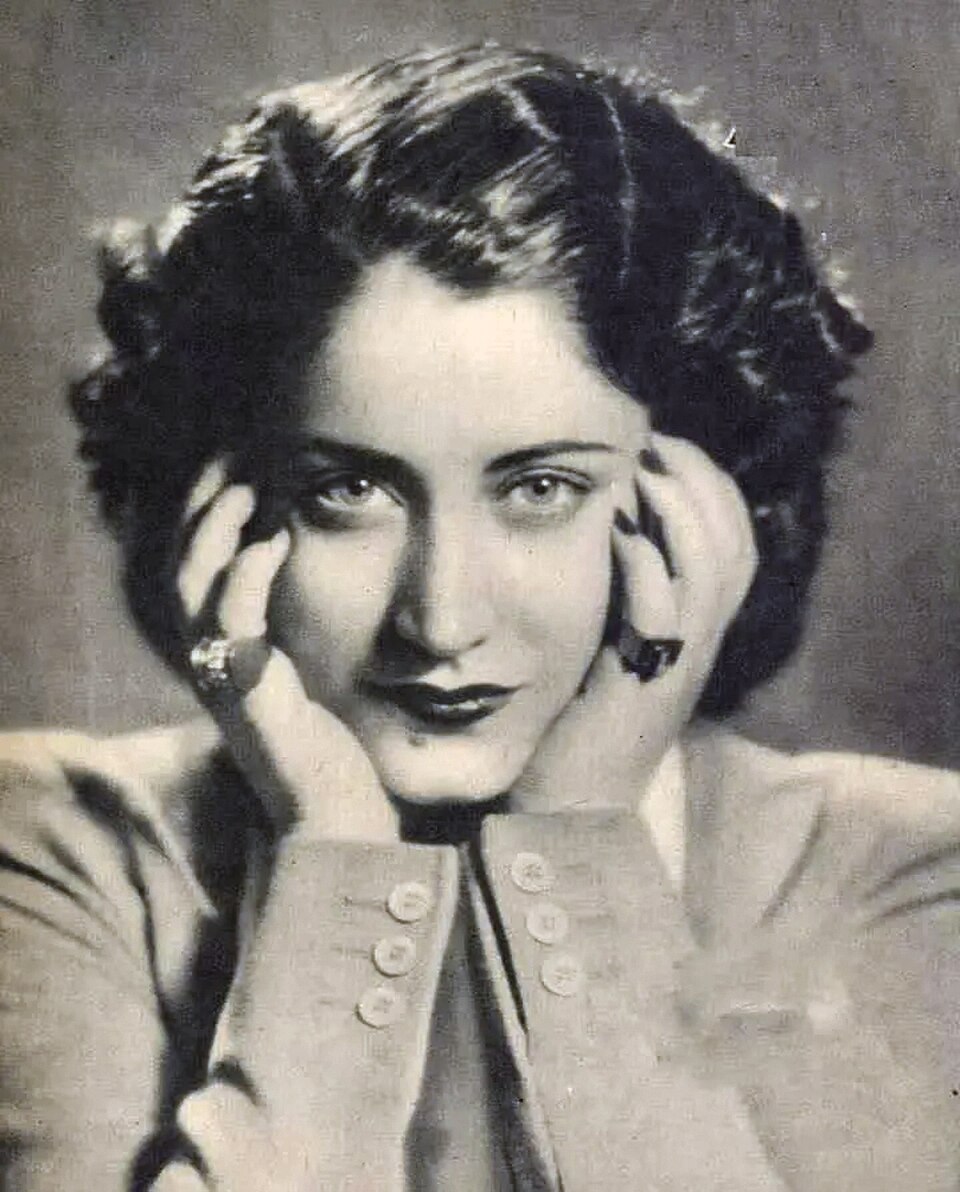
Asmahan, born Amal al-Atrash, was a Syrian singer and actress from the Druze al-Atrash family, and one of the most distinctive voices in modern Arab music. After moving to Egypt as a child, she rose to prominence in the 1930s and 1940s with a wide, dramatic voice that combined Arab tarab, theatrical expression, and an unusual ability to move between classical Arabic vocality and a more modern singing sensibility. Despite her short life and brief career, she left a powerful mark on Arab musical memory.
Era: The Golden Age of Arabic Music
Read profile1923–1986 / 1925–2009 · Lebanese composers, lyricists, and playwrights; founders of modern Lebanese musical theater with Fairuz’s voice.
The Rahbani Brothers, Assi and Mansour Rahbani, were Lebanese composers, lyricists, and playwrights who played a central role in shaping Lebanese song and musical theater in the twentieth century. Their project became inseparable from Fairuz’s voice, but it extended far beyond individual songs into a complete artistic world of village, mountain, homeland, love, travel, authority, nostalgia, and social satire. Combining Lebanese folklore, colloquial poetry, Arab maqam, modern orchestration, and theater, they created a Lebanese musical language that became part of wider Arab cultural memory.
Era: The Golden Age of Arabic Music
Read profile1904–1975 · Egyptian singer and actress; Kawkab al-Sharq and the Lady of Arabic Song, one of the most important voices in modern Arab music.
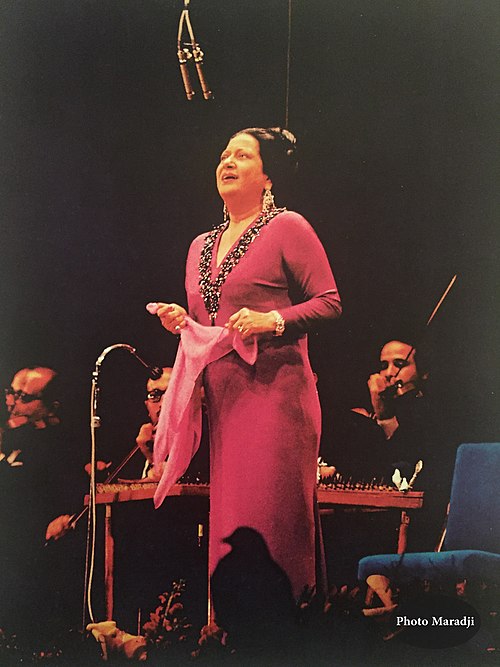
Umm Kulthum, known as Kawkab al-Sharq and the Lady of Arabic Song, was one of the most influential voices in modern Arab music. Her performances combined vocal power, maqam mastery, clear diction, improvisation, and an extraordinary ability to turn poetry and melody into a collective emotional experience.
Era: The Golden Age of Arabic Music
Read profile1931/1932–1993 · Egyptian composer and one of the most influential makers of the sound of Egypt and the Arab world in the 1960s and 1970s.
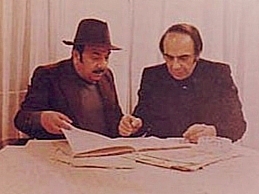
Baleegh Hamdi was one of the most influential Egyptian and Arab composers of the second half of the twentieth century. His music transformed simple popular melodic phrases into expansive songs shaped by tarab, rhythm, drama, and modern orchestration. He composed for major Arab voices including Umm Kulthum, Abdel Halim Hafez, Warda al-Jazairia, Shadia, Fayza Ahmed, and Mohamed Rushdi, leaving a major mark on romantic, patriotic, popular, and theatrical song.
Era: The Golden Age of Arabic Music
Read profile1906–1981 · Egyptian composer and oud player; one of the central pillars of Arab music and the great twentieth-century composer of the sung Arabic poem.
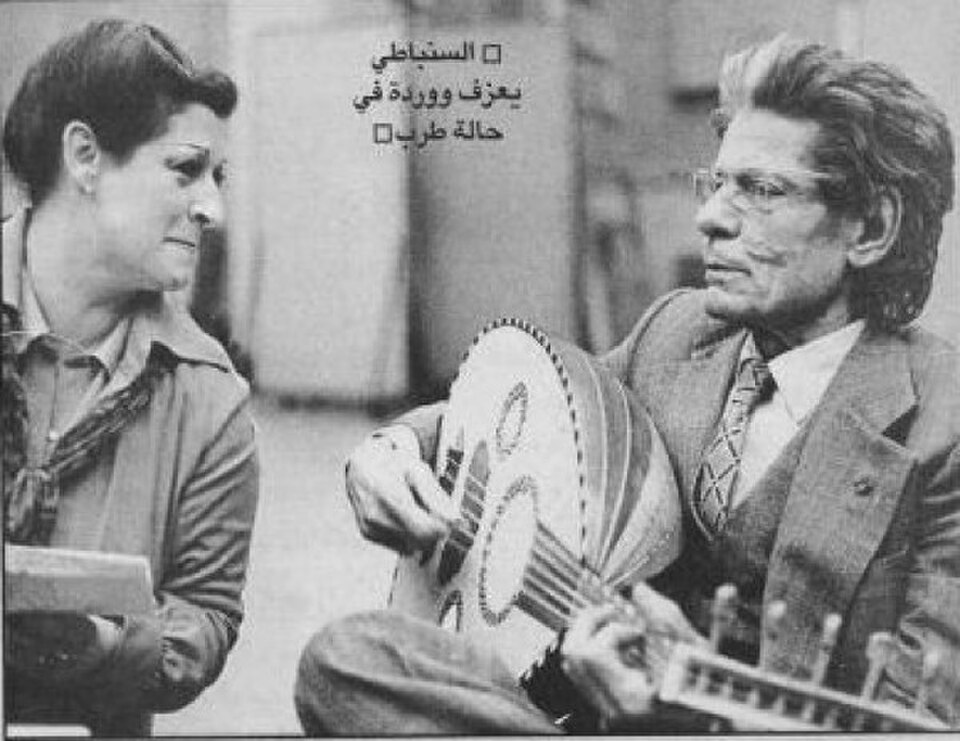
Riyad al-Sunbati was an Egyptian composer and oud player, and one of the central figures of twentieth-century Arab music. He became especially known for his exceptional ability to set classical Arabic poetry to expansive vocal forms that combined maqam, tarab, disciplined melodic architecture, and deep emotional expression. Closely associated with Umm Kulthum, he also composed for major Arab voices and left a broad legacy in romantic, religious, patriotic, and poetic song.
Era: The Golden Age of Arabic Music
Read profile1896–1961 · Egyptian composer and musician, one of Umm Kulthum’s major composers, combining religious-musical training with popular song, musical theatre, and taqtuqa composition.
Zakariyya Ahmad was one of Egypt’s most important twentieth-century composers and a central figure in Umm Kulthum’s classical period. His strength came from combining Qur’anic and religious-musical training with Egyptian popular expression, producing melodies that were accessible, deeply tarab-based, and strongly rooted in maqam feeling.
Era: The Golden Age of Arabic Music
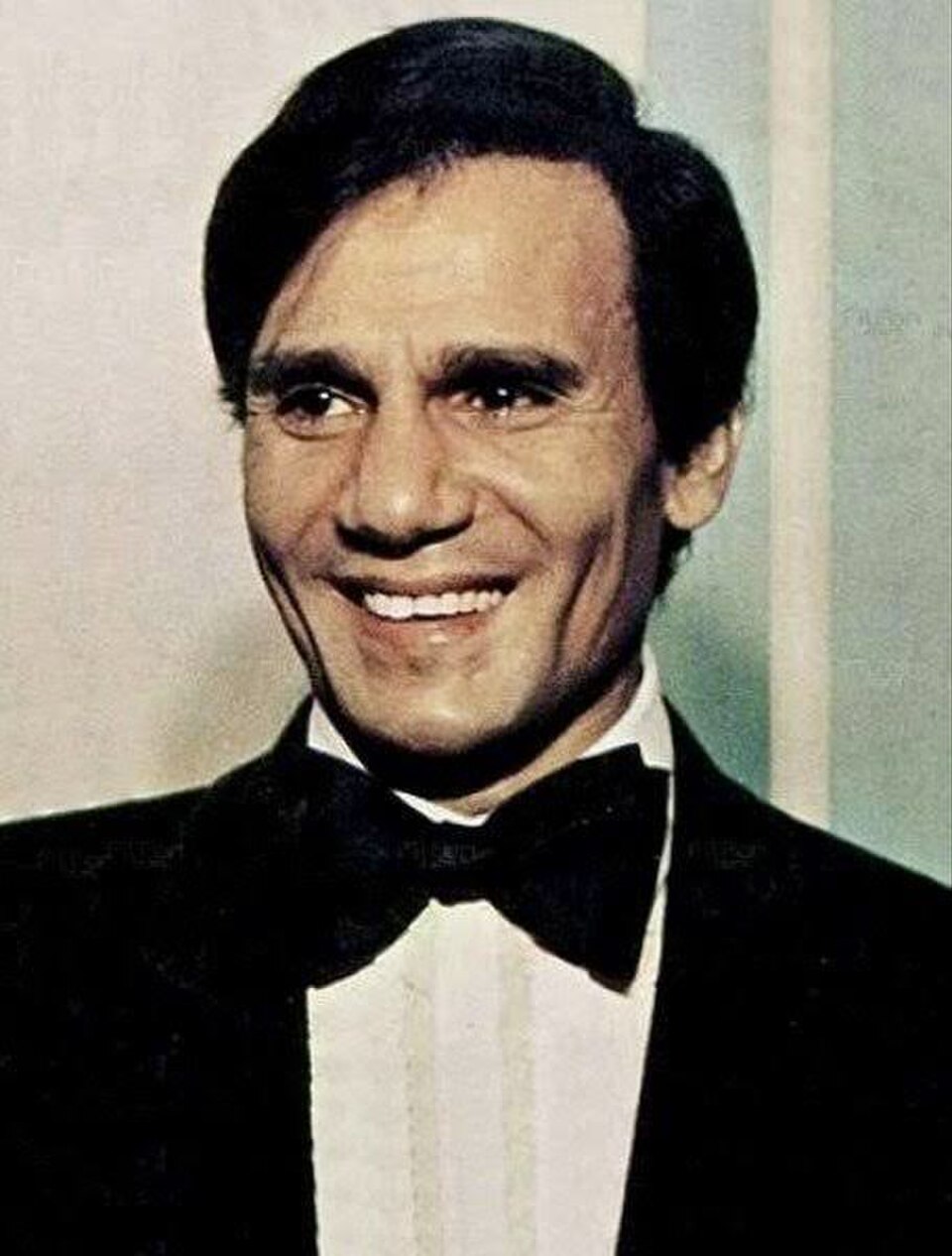
Read profile1929–1977 · Egyptian singer, actor, and producer; the Dark-Skinned Nightingale and a defining voice of intimacy, cinema, and national song in modern Arabic music.
Abdel Halim Hafez, known as al-Andalib al-Asmar or the Dark-Skinned Nightingale, was an Egyptian singer and actor, and one of the defining Arab voices of the twentieth century. He represented a new generation of Arabic song built on intimacy, direct emotional expression, cinematic performance, and the modern long-form song. His work ranged from romance to patriotic song, and he collaborated with major composers and poets including Mohammed Abdel Wahab, Kamal al-Taweel, Mohamed al-Mougi, Baleegh Hamdi, Salah Jahin, Abdel Rahman al-Abnudi, and Mohamed Hamza.
Era: The Golden Age of Arabic Music
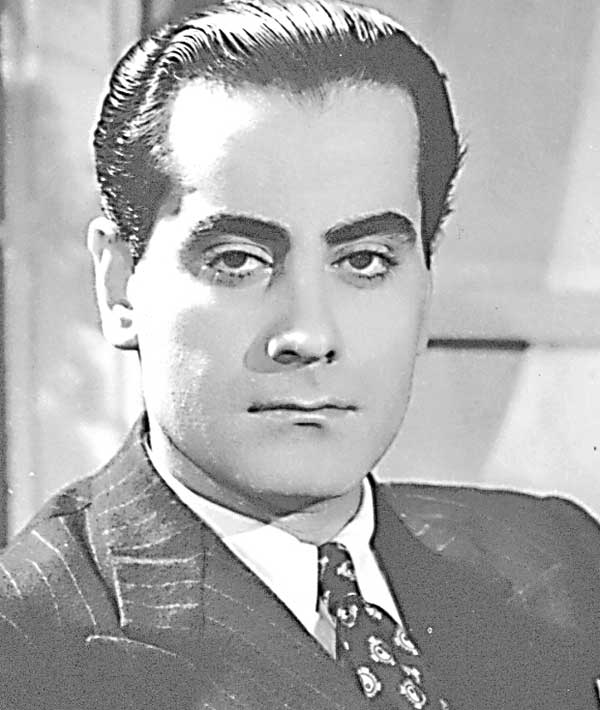
Read profile1910–1974 · Syrian-Egyptian singer, composer, oud player, and actor; one of the major figures of twentieth-century Arab music and musical cinema.
Farid al-Atrash was a Syrian-Egyptian singer, composer, oud player, and actor, and one of the major figures of twentieth-century Arab music. His art brought together classical Arab tarab, virtuosic oud improvisation, film song, and long dramatic melodic forms. After moving to Egypt as a child with his family, he built a decades-long career and became one of the most enduring voices and composers in Arab musical memory, widely associated with the title King of the Oud.
Era: The Golden Age of Arabic Music
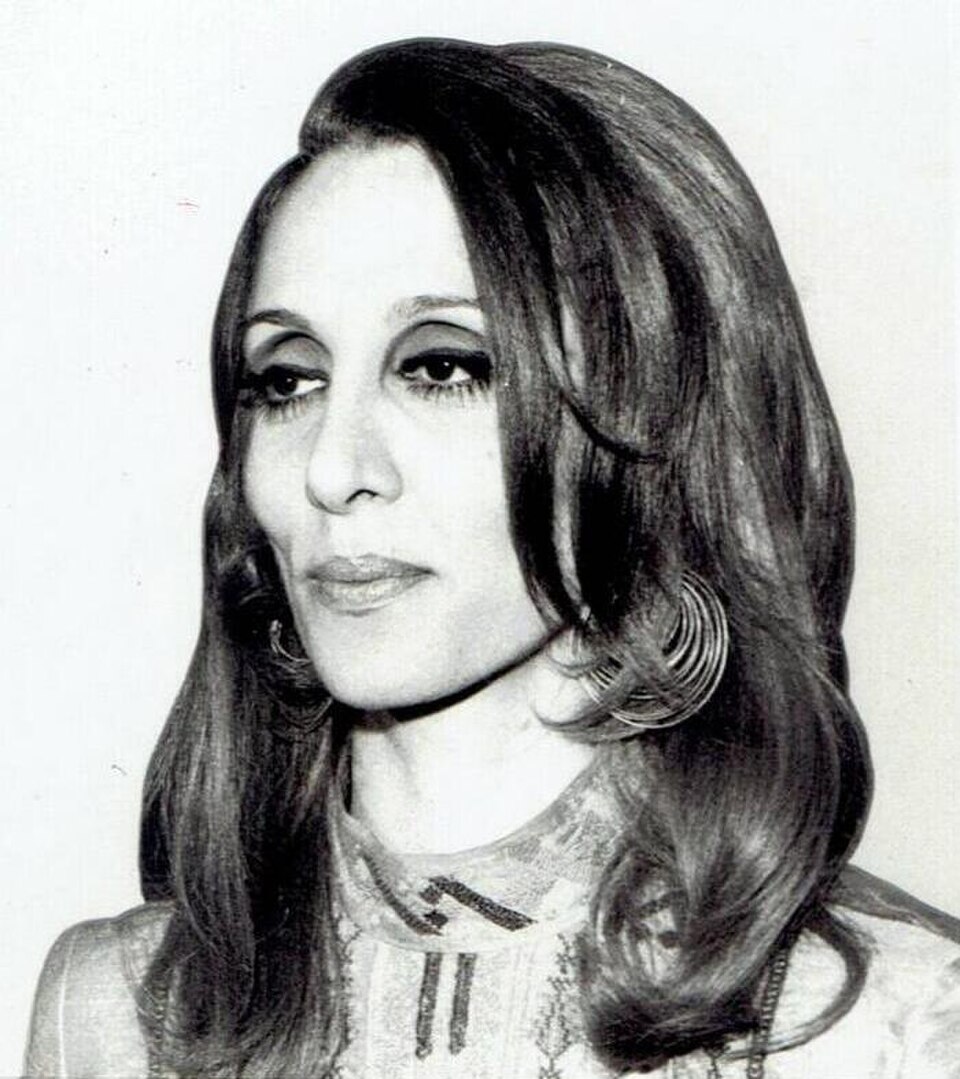
Read profile1934/1935– · Lebanese singer; the voice of the Rahbani project and one of the most influential voices in modern Arab music.
Fairuz, born Nouhad Wadie Haddad, is a Lebanese singer and one of the most influential voices in modern Arab music. Her fame became closely tied to the Rahbani Brothers’ project, which brought together short song forms, musical theater, colloquial poetry, Lebanese folklore, and modern orchestration. With her clear and restrained voice, Fairuz helped create a distinctive musical image of Lebanon: village, mountain, morning, nostalgia, love, and homeland. Later, her work with Ziad Rahbani expanded her sound toward a more modern, jazz-inflected, and politically aware language.
Era: The Golden Age of Arabic Music
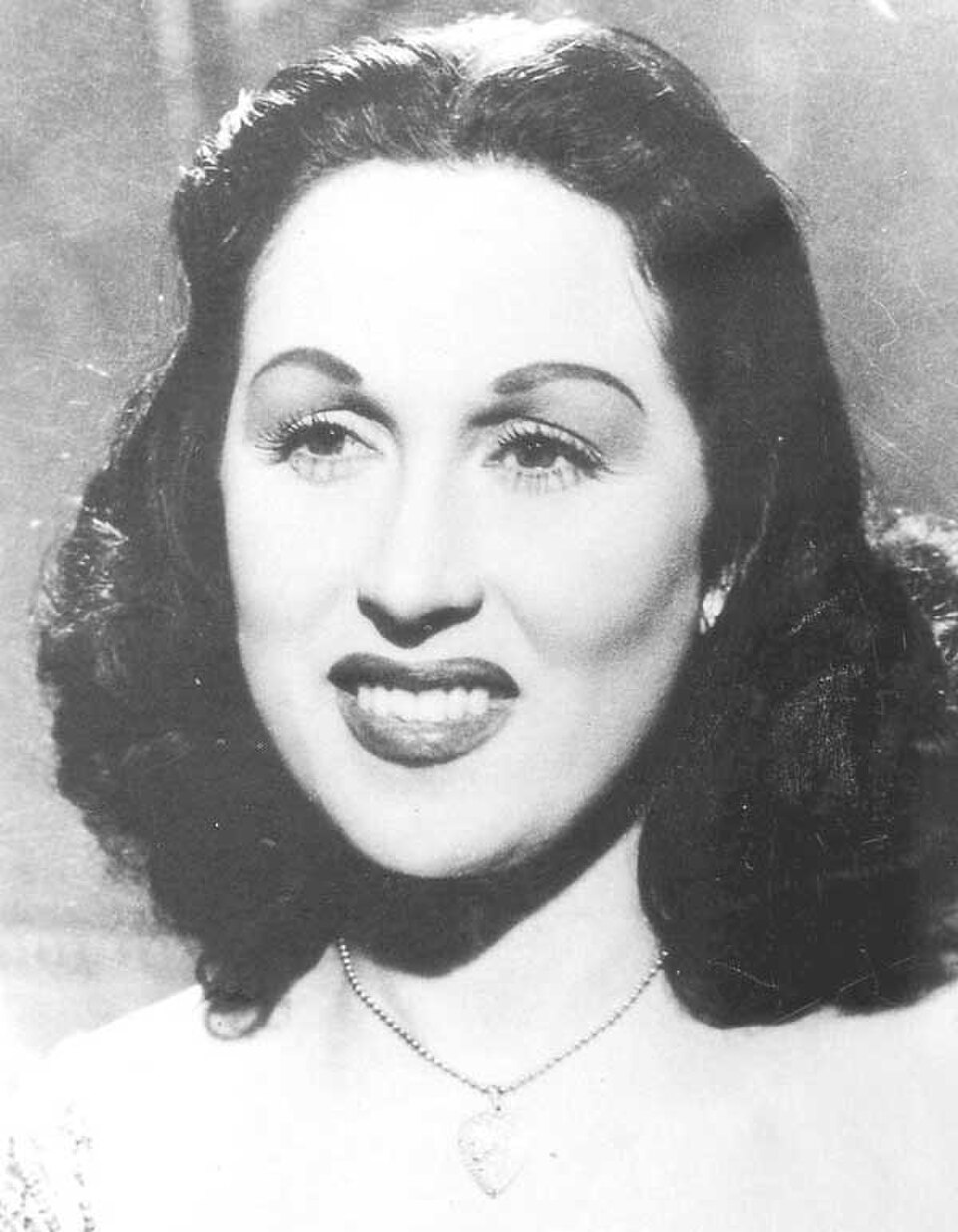
Read profile1918–1995 · Egyptian singer and actress; one of the leading stars of Egypt’s golden age of musical cinema.
Layla Murad was an Egyptian singer and actress, and one of the leading stars of Egypt’s golden age of musical cinema. Born in Cairo in 1918 into an Egyptian Jewish musical family, she was the daughter of the well-known singer Zaki Murad. Her soft, expressive voice and her ability to combine singing and acting within the musical film made her a central figure in the memory of modern Cairo and Egyptian cinema of the 1940s and 1950s.
Era: The Golden Age of Arabic Music
Read profile1892–1966 · Egyptian composer, oud player, and musician; a major innovator of the Arabic vocal monologue and modern oud school.
Mohamed El Qasabgi was an Egyptian composer and oud player, and one of the major innovators of twentieth-century Arab music. Closely associated with Umm Kulthum, Asmahan, Layla Murad, and Mounira al-Mahdiyya, he was not merely an accompanist-composer for great voices; he developed a distinct school of composition and oud performance that combined an oriental musical sensibility with carefully structured melodic writing and selective Western techniques.
Era: The Golden Age of Arabic Music
Read profilec. 1900/1902–1991 · Egyptian singer, composer, actor, and oud player; the Musician of Generations and one of the major modernizers of Arabic music.
Mohammed Abdel Wahab, often called the Musician of Generations, was an Egyptian singer, composer, actor, and one of the most influential modernizers of twentieth-century Arab music. He brought together classical Arab tarab, oud performance, poetic song, cinema, and modern orchestration, introducing new instruments, rhythms, and arrangement techniques while preserving maqam and Arabic melodic expression.
Era: The Golden Age of Arabic Music
Read profile1925–2009 · Lebanese poet, composer, and theatre maker; one of the founders of the Rahbani Brothers project with his brother Assi Rahbani.
Mansour Rahbani was a Lebanese poet, composer, and theatre maker, and one of the two pillars of the Rahbani Brothers project with his brother Assi. He helped build an artistic school that joined Lebanese song, musical theatre, poetry, and composition, and his name is tied to a golden phase in the history of Fairuz and Rahbani musical theatre.
Era: The Golden Age of Arabic Music
Read profile1921–2013 · Lebanese singer and composer, one of the defining voices of Lebanese song, known for mawawil, ʿataba, mijana, Abu el-Zuluf, and Lebanese mountain song.
Wadih al-Safi was one of the most important voices in Lebanese and Arab music. He combined tarab, mawawil, and Lebanese mountain song, helping turn village life, landscape, memory, and longing into central themes of modern Lebanese musical identity. His voice became more than a beautiful performance style; it became a musical symbol of Lebanon itself.
Era: The Golden Age of Arabic Music
Read profile1939–2012 · Algerian/Arab singer and one of the major voices of the twentieth century, associated with the long-form Arabic song and collaborations with leading Egyptian and Arab composers.
Warda al-Jazairia, born Warda Ftouki, was an Algerian singer born in Paris in 1939 and died in Cairo in 2012. Her major fame was tied to Egypt and to collaborations with Baligh Hamdi and other leading composers, making her a voice that connected Algerian identity with the Egyptian center of modern Arabic song.
Era: The Golden Age of Arabic Music
Read profile
.jpg)
.jpg)