Person profile
Layla Murad
ليلى مراد
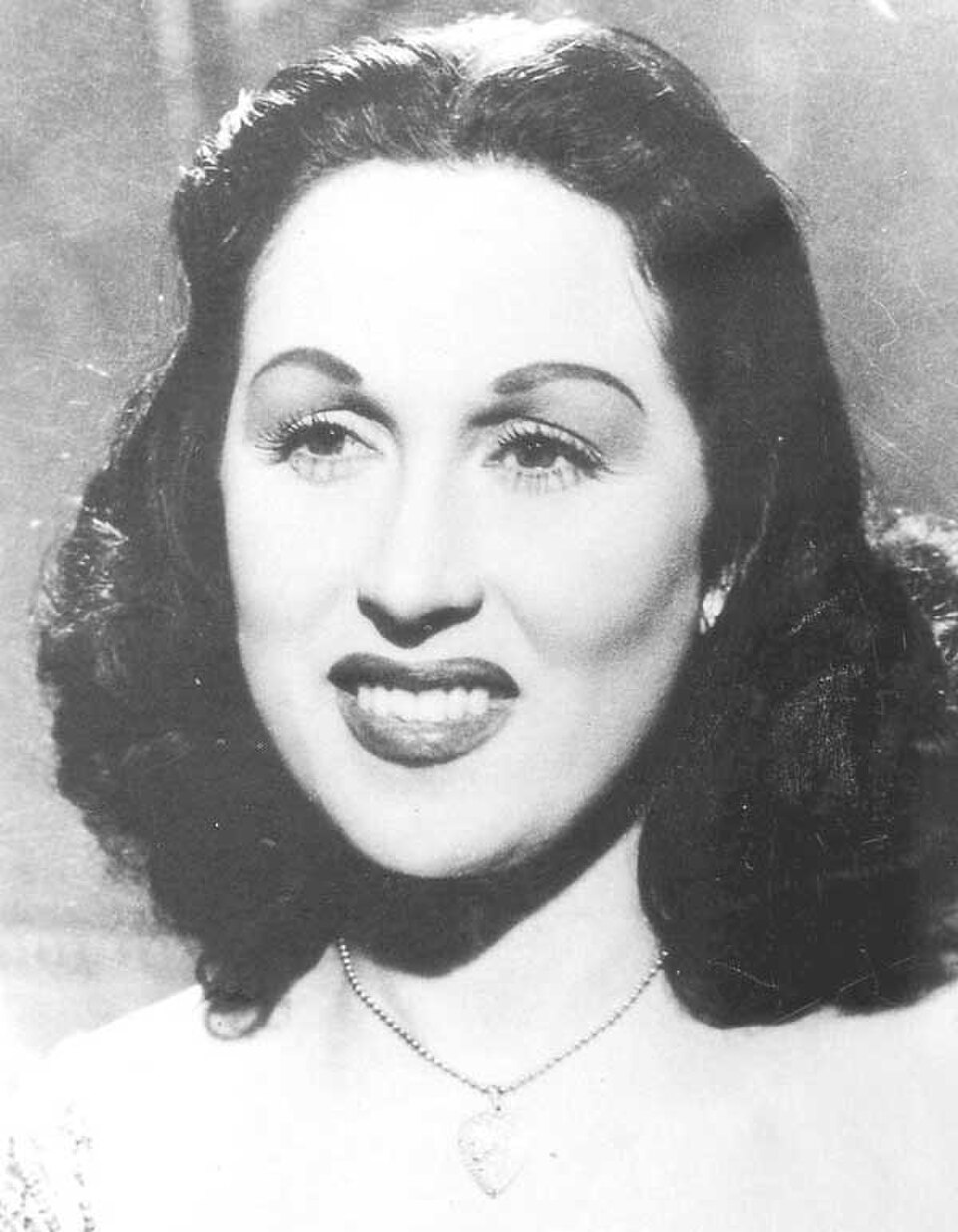
Layla Murad was an Egyptian singer and actress, and one of the leading stars of Egypt’s golden age of musical cinema. Born in Cairo in 1918 into an Egyptian Jewish musical family, she was the daughter of the well-known singer Zaki Murad. Her soft, expressive voice and her ability to combine singing and acting within the musical film made her a central figure in the memory of modern Cairo and Egyptian cinema of the 1940s and 1950s.
- 1918–1995Years/date
- EgyptPlace
- PersonType
Role and context
Egyptian singer and actress; one of the leading stars of Egypt’s golden age of musical cinema.
Layla Murad belongs to the golden age of Egyptian musical cinema and modern romantic song, representing the star who united screen and voice during the flourishing of the musical film.
This profile is linked to The Golden Age of Arabic Music within the Arabic music history timeline.
Biography and life
Layla Murad, born in Cairo in 1918, is one of the most important voices of Egyptian musical cinema in the 1940s and 1950s. Her biography requires balance: she should not be reduced either to the Jewish singer who converted to Islam or simply to a film star. Her artistic value lies in helping shape the image of modern urban Egypt: delicacy, cinematic performance, refined light song, and female stardom inside the musical film. She grew up in an Egyptian Jewish musical family; her father Zaki Murad was a known singer, and her brother Mounir Mourad later became an important composer and actor in Egyptian music and cinema. Unlike Umm Kulthum, whose major image rested on the stage and the long concert, Layla Murad became tied to film, scene, character, and story. Her songs often do not live apart from drama; they appear inside a cinematic situation and give the character her emotional voice. Her strength was not long tarab or large improvisation, but diction, softness, and controlled expression inside short or medium songs that make the screen character convincing and beloved. Her rise was connected to Mohammed Abdel Wahab through the film Yahya El Hob in 1938, then to Togo Mizrahi and Anwar Wagdi, and to composers such as Dawood Hosni and Mohamed El Qasabgi. Questions of identity, religion, and political rumors in the early 1950s are important historical context for understanding her place in modern Egypt, but they are not the core of her artistic value. Her core achievement is that she made Egyptian film song a space of softness, urban presence, and female stardom close to the public.
This profile only uses available Musicatea data: name, alternate name when present, role, linked era, and library sheets when a documented connection exists.
Contributions
- Established a distinct model of the Egyptian screen singer, where the song is tied to character, scene, and story rather than to the concert alone.
- Presented a soft and modern urban voice whose strength lies in diction, delicacy, and controlled expression rather than long tarab or vocal display.
- Made the short or medium film song a means of building a dramatic character and bringing her close to the audience.
- Her rise was connected to Mohammed Abdel Wahab, Anwar Wagdi, Togo Mizrahi, Dawood Hosni, and Mohamed El Qasabgi, making her central to the network of Egyptian musical cinema.
- Her biography represents an important intersection of art, identity, religion, nationalism, and cinema in modern Egypt, while her artistic value should not be reduced to this dimension alone.
- Left a major impact despite her relatively early retirement, with songs and films that remained part of Egyptian cinema memory.
Works or related materials
- Ana Qalbi Dalili — Performer; composed by Mohamed El Qasabgi
One of her most famous songs and a core work because it almost became a title for her artistic identity.
- Qalbi Dalili — Film / actress and performer
An important film in her screen and musical image, tying song to character and story.
- Ghazal Al Banat — Film / actress and performer
One of her most famous films, featuring Naguib El Rihani, Anwar Wagdi, and an important appearance by Mohammed Abdel Wahab.
- Layla Bint El Fuqara — Film / actress and performer
An important film with Anwar Wagdi, presenting Layla Murad as a popular and romantic star.
- Layla Bint El Aghniya — Film / actress and performer
An important work within the Layla film series, consolidating her screen stardom.
- Yahya El Hob — Film / actress and performer with Mohammed Abdel Wahab
The 1938 film was a major launch point for her before a wider audience.
- Al-Dahaya — Early film appearance
An early appearance in 1932, historically important more than one of her best-known works.
- Hayrana Leh — Early song; composed by Dawood Hosni
One of her important early songs, showing her early link to light classical Egyptian composition.
- Leh Khaletni Ahebak — Performer
A famous song from her repertoire, representing her delicate romantic side.
- Ya Msafer We Nasi Hawak — Performer
One of her beloved songs, showing her musical presence beyond film titles alone.
- Shati El Gharam — Film / actress and performer
One of her famous films of the 1950s, associated with sea imagery and romance in Egyptian cinema.
- El Habib El Maghoul — Film / actress and performer
One of her final films before she withdrew from artistic life.
Related sheets
Maqam and rhythm links from related sheets: Ajam, Sama'i Darij (Vals)
Related people
Sources listed in the data
- Texas Christian University — The Life and Times of Layla Murad
Texas Christian University
- Jewish Women’s Archive — Birth of Leila Murad
Jewish Women’s Archive
- Forward — The secret Jewish history of Layla Murad
Forward
- SBS Arabic — Leila Mourad
SBS Arabic
- ANU Museum — Layla Mourad
ANU Museum
- Film and music databases
- Musicatea internal comparative profile notes